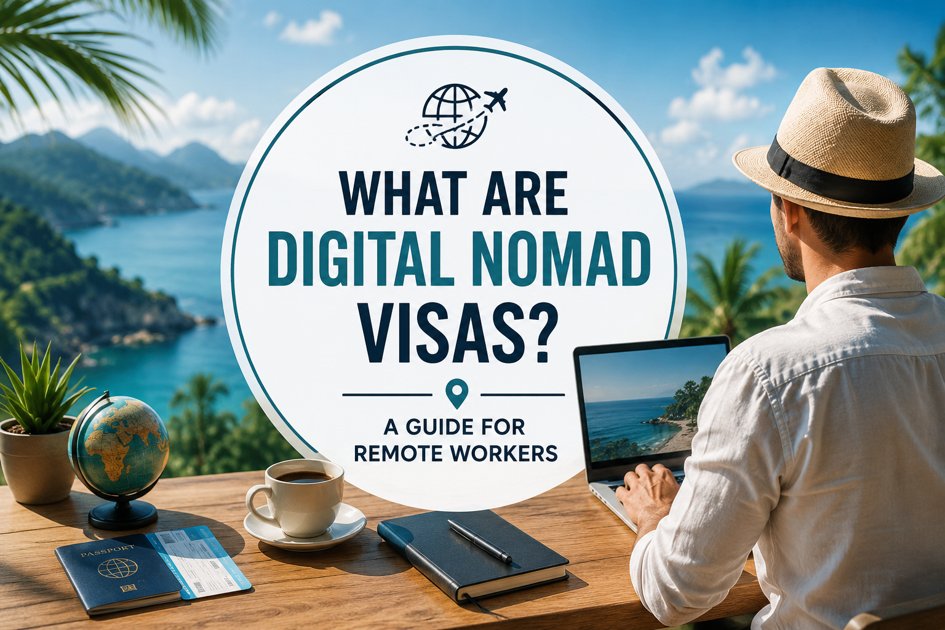
What Are Digital Nomad Visas? A Complete Guide for Remote Workers
Remote work has transformed the way people live and travel. Instead of being tied to a traditional office, professionals can now work from almost anywhere in the world with a reliable internet connection. This growing trend has led many countries to introduce special visa programs designed specifically for remote workers and freelancers.
If you have ever wondered what is digital nomad visa, how it works, and whether it is right for you, this guide covers everything you need to know. From eligibility requirements and application steps to tax considerations and the best destinations in 2026, this article provides a comprehensive overview for aspiring digital nomads.
What Is a Digital Nomad Visa?
A digital nomad visa is a special residency permit that allows remote workers, freelancers, entrepreneurs, and online business owners to legally live in a foreign country while working for employers or clients located outside that country.
Unlike traditional work permits, digital nomad visas are specifically designed for individuals whose income comes from remote work. They provide a legal framework for long term stays while allowing professionals to enjoy a flexible lifestyle.
A digital nomad visa allows remote workers to live in another country legally while continuing to work online for foreign employers or clients.
Why Are Digital Nomad Visas Becoming Popular?
The rise of remote work, improved technology, and flexible employment opportunities have encouraged governments to attract skilled professionals and boost local economies.
Key benefits include:
- Legal long term residence
- Access to modern infrastructure
- Better work life balance
- Opportunity to experience new cultures
- Networking with international professionals
- Potential tax advantages in some countries
Many governments now view digital nomads as valuable contributors to tourism and economic growth.
Digital Nomad Visa Requirements
One of the most searched questions is about digital nomad visa requirements. While regulations vary between countries, most programs require applicants to meet certain conditions.
Common Requirements
Proof of Remote Employment
Applicants must demonstrate that they work remotely for a company outside the destination country or operate an online business.
Minimum Income Threshold
Most countries require proof of a stable monthly income. Income requirements typically range from $1,500 to over $5,000 per month, depending on the destination.
Health Insurance
Comprehensive international health insurance is usually mandatory.
Clean Criminal Record
Applicants may need to submit police clearance certificates.
Valid Passport
Most countries require a passport with at least six months of validity remaining.
Accommodation Details
Some destinations request proof of temporary or long-term accommodation.
Digital Nomad Visa Eligibility Criteria
Understanding the digital nomad visa eligibility criteria is essential before applying.
You may qualify if you are:
- A remote employee
- A freelancer
- A consultant
- A business owner with online operations
- A digital entrepreneur
- A content creator earning income online
Most countries do not allow applicants to work for local employers while holding a digital nomad visa.
How to Get a Digital Nomad Visa
Many remote professionals ask how to get a digital nomad visa successfully. The process is generally straightforward when you prepare your documentation in advance.
Step by Step Guide to Digital Nomad Visa Application
Step 1: Research Eligible Countries
Compare visa duration, income requirements, taxes, healthcare, and living costs.
Step 2: Gather Required Documents
Prepare employment contracts, bank statements, passport copies, insurance documents, and proof of accommodation.
Step 3: Submit the Application
Applications can usually be completed online or through embassies and consulates.
Step 4: Pay Visa Fees
Fees vary depending on the destination.
Step 5: Attend Interviews if Required
Some countries conduct virtual or in person interviews.
Step 6: Receive Approval
Processing times range from a few weeks to several months.
For professional support with international travel documentation, consider seeking International Visa assistance from experienced visa consultants.
How Long Does a Digital Nomad Visa Take?
One frequently asked question is how long does a digital nomad visa take to process.
Typical processing times include:
| Country Type | Average Processing Time |
| Fast Processing Countries | 2 to 4 weeks |
| Standard Processing Countries | 1 to 3 months |
| High Demand Destinations | 3 to 6 months |
Submitting complete and accurate documentation can significantly reduce delays.
Cost of Digital Nomad Visa for Remote Workers
The cost of digital nomad visa for remote workers varies significantly across destinations.
Typical expenses may include:
- Application fees
- Government processing charges
- Health insurance costs
- Document authentication fees
- Background checks
Average visa costs generally range between $100 and $2,000 depending on the country.
Digital Nomad Visa vs Tourist Visa Difference
Many travelers confuse remote work visas with tourist visas. Understanding the digital nomad visa vs tourist visa difference is important.
| Feature | Digital Nomad Visa | Tourist Visa |
| Long Term Stay | Yes | Limited |
| Remote Work Allowed | Yes | Usually No |
| Legal Residency Status | Often Yes | No |
| Visa Renewal Options | Frequently Available | Limited |
| Tax Implications | Possible | Usually None |
A digital nomad visa provides legal protection and peace of mind for remote professionals.
Best Countries for Digital Nomad Visa 2026
When evaluating the best countries for a digital nomad visa 2026, consider affordability, internet speed, quality of life, taxation, and visa flexibility.
Portugal
Portugal continues to attract digital nomads thanks to excellent infrastructure, safety, and vibrant communities.
Spain
Spain offers attractive visa programs and a high-quality lifestyle.
United Arab Emirates
The UAE remains one of the top destinations for remote workers seeking world-class infrastructure and global connectivity.
Travelers planning to explore the region can check available Dubai tour package options for an enhanced experience.
Estonia
Estonia was among the first countries to introduce a dedicated remote work visa.
Thailand
Thailand offers affordable living and an established digital nomad ecosystem.
Greece
Greece combines beautiful scenery with growing remote work opportunities.
These destinations are among the leading countries offering remote work visa programs in 2026.
Tax Rules for Digital Nomad Visa Holders
Understanding tax rules for digital nomad visa holders is crucial before relocating.
Important Tax Considerations
Tax Residency
Many countries consider individuals tax residents after spending a specific number of days within the country.
Double Taxation Agreements
Some countries have agreements that help prevent income from being taxed twice.
Local Tax Obligations
Certain destinations may require digital nomads to file tax returns even if taxes are not owed.
Since tax laws differ significantly between countries, consulting a qualified tax professional is highly recommended.
Best Visas for Remote Workers and Freelancers
The best visas for remote workers and freelancers typically offer:
- Longer validity periods
- Easy renewals
- Competitive income requirements
- Strong internet infrastructure
- Favorable taxation policies
Popular options include Portugal, the UAE, Spain, Estonia, and Greece.
If you plan to travel frequently throughout the region, professional UAE visa services can help simplify your travel arrangements.
Essential Travel Planning Tips for Digital Nomads
Successful digital nomads focus on preparation and flexibility.
Build a Financial Safety Net
Maintain emergency savings before relocating.
Verify Internet Reliability
Research internet speeds and coworking spaces.
Secure Travel Documents Early
Start visa applications well before your intended departure date.
Book Flights Strategically
Using a reliable Air Tickets booking service can help you find convenient routes and competitive fares.
Frequently Asked Questions
Can freelancers apply for a digital nomad visa?
Yes. Most digital nomad visa programs welcome freelancers who can demonstrate stable income.
Can I bring my family on a digital nomad visa?
Many countries allow spouses and dependent children under family sponsorship provisions.
Do digital nomad visas lead to permanent residency?
Some countries offer pathways to long term residency, while others remain temporary programs.
Is a digital nomad visa worth it?
For remote professionals seeking legal long term stays abroad, greater flexibility, and access to international opportunities, a digital nomad visa can be an excellent option.
Conclusion
Digital nomad visas have become one of the most attractive solutions for remote workers seeking location independence in 2026. Understanding what is digital nomad visa, eligibility requirements, application procedures, costs, and tax implications can help you make informed decisions before relocating.
Whether you are a freelancer, entrepreneur, or remote employee, the growing number of countries offering dedicated remote work programs provides more opportunities than ever before. Start researching your preferred destination, prepare your documentation carefully, and take the next step toward a flexible global lifestyle.

Recent Posts
What Are Digital Nomad Visas? A Complete Guide for Remote Workers

How Early Should You Book Flights to Get the Best Price?